

This Florida foreclosure surplus FAQ covers eligibility, deadlines, legitimacy, and cost, since these are the questions we hear most. Working through these answers first can save time before your consultation. Feel free to jump to whatever concerns you most.
When a lender forecloses and sells a property at auction, the sale price sometimes exceeds the total debt owed. After the lender receives full payment, any remaining balance belongs to the former homeowner under Florida law. We call that remaining balance surplus funds. If your foreclosed property sold for more than you owed, that difference may legally belong to you.
No, not every foreclosure generates surplus funds. Surplus funds only exist when the auction sale price exceeds the total amount owed, including fees and costs. This is one of the most common questions in any Florida foreclosure surplus FAQ, since assumptions here often turn out wrong. Consequently, some former homeowners discover no surplus in their case, while others discover meaningful sums waiting for them. The only way to know for certain is to have our attorneys research your case at no cost to you.
Most former homeowners have no way of knowing this without legal research. Florida courts do not automatically notify former owners when surplus funds exist after a sale. Consequently, families sometimes lose access to money that legally belongs to them, simply because nobody told them to look. This Florida foreclosure surplus FAQ exists partly to close that gap. Consequently, our attorneys research court records and identify whether surplus funds exist in your case, free of charge.
Florida law establishes deadlines for claiming foreclosure surplus funds. Once those deadlines pass, the funds do not simply wait, because other creditors can file competing claims. Courts can disburse funds to those parties, and unclaimed surplus can eventually transfer to the state. Consequently, acting promptly gives you the strongest chance of a full recovery.
Yes, foreclosure surplus recovery is a legitimate area of Florida law. Florida statutes specifically govern how surplus funds are held, claimed, and distributed. Therefore, former homeowners have a clear legal right to claim surplus funds that belong to them. This Florida foreclosure surplus FAQ exists because that right is often misunderstood. Our attorneys practice this area of law with real experience and full Florida Bar licensure.
Some non-attorney companies pursue surplus funds through an assignment arrangement instead of direct legal representation. Florida Statute 45.033 governs this arrangement. It caps total compensation at 12 percent of the surplus, with written disclosure requirements. Working with attorneys offers a different structure instead. Consequently, our attorneys represent your interests directly, from the first conversation through the final outcome.
Nothing upfront, ever. Our attorneys handle these cases on a contingency basis. Our fee comes only from funds we actually recover. If we recover nothing, you owe nothing. Your initial consultation also costs nothing. Therefore, no financial risk exists in finding out whether money may be owed to you.


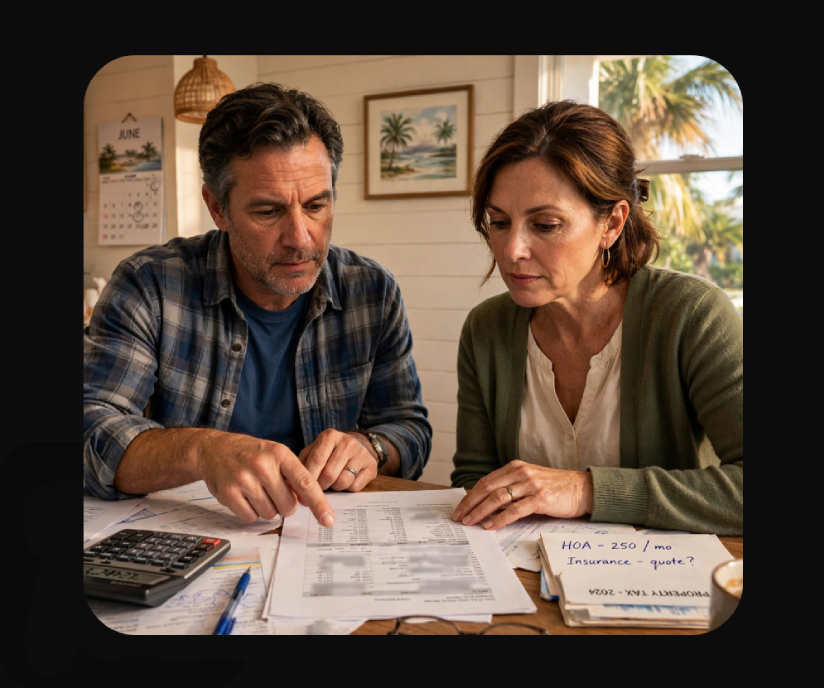



This Florida foreclosure surplus FAQ covers the most common questions former homeowners ask. However, your specific case may raise questions not covered here. For this reason, our attorneys offer free consultations to any former homeowner who believes a surplus may exist in their case.
You already survived the hardest part. The foreclosure is behind you. Consequently, one free conversation with our team could reveal money that may legally belong to you. Above all, contact our team today and get the honest answers you deserve.
You Lost The House. Not Every Door Closed. There May Still Be Money Waiting.
Powered By

8785 SW 165th Ave. Suite 103, Miami, FL 33193 (305)433-7701
The information provided on this website is for general informational purposes only and does NOT constitute legal advice. Results may vary depending on the specific facts and circumstances of each case. Contacting our team does not create an attorney-client relationship. Former homeowners should consult with a licensed Florida attorney to evaluate their specific situation and legal rights regarding foreclosure surplus funds.