
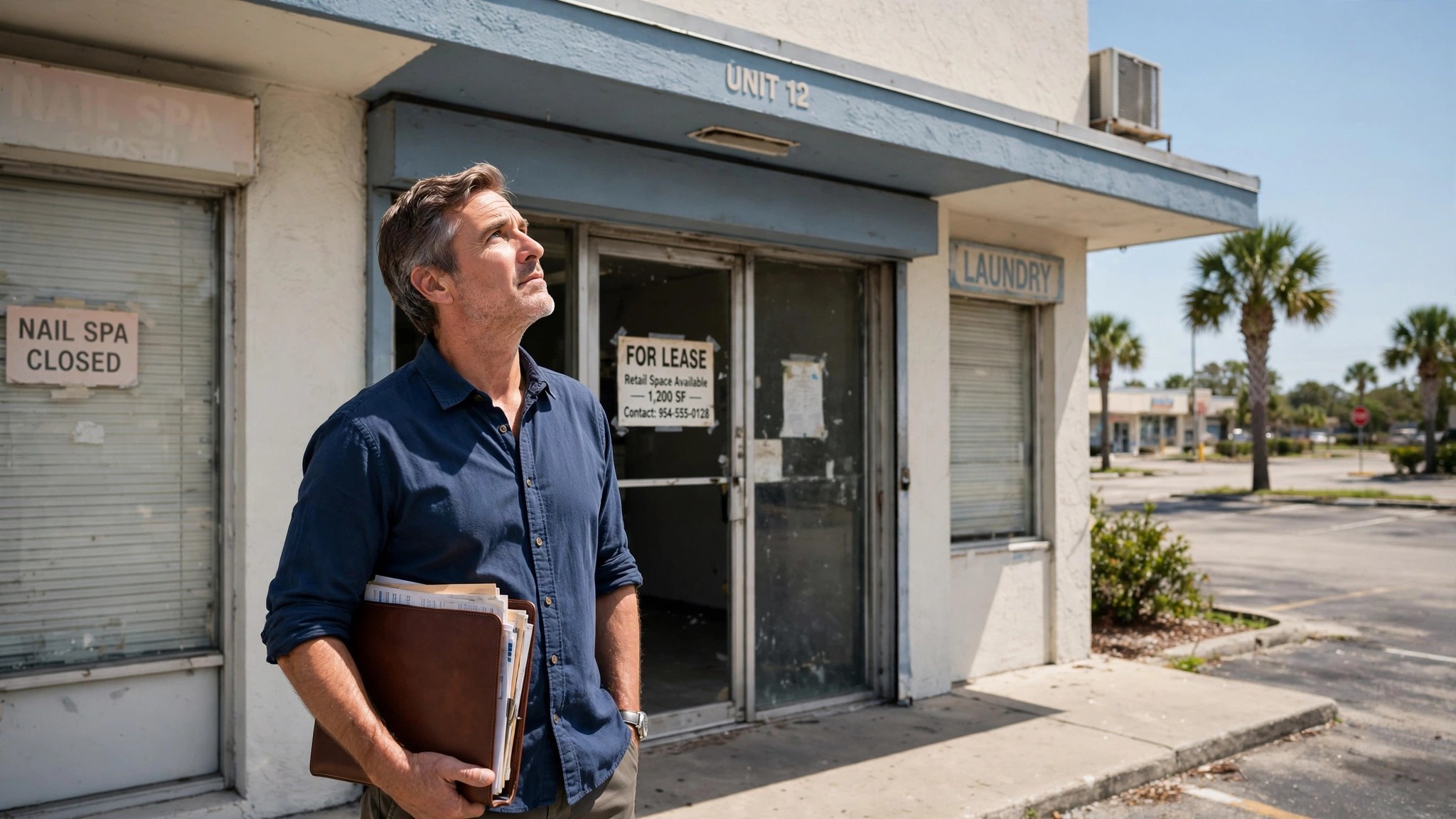
Commercial property foreclosures introduce considerations rarely present in a typical residential case. Florida commercial surplus recovery often involves business entities, multiple stakeholders, and larger financial amounts. Understanding these differences can help an owner or investor evaluate their position accurately.
Florida’s commercial real estate market includes everything from small retail spaces to large office complexes. Consequently, commercial foreclosure activity reflects that same diversity across the state. Reviewing Florida commercial surplus recovery in detail helps an owner or investor understand what to expect.
Why Florida Commercial Surplus Recovery Differs From Residential Cases
These properties frequently sell for substantially higher amounts than residential homes. Consequently, a surplus generated in these cases can involve considerably larger sums. This scale changes the practical stakes involved in pursuing a claim.
Additionally, commercial properties often carry ownership through a business entity rather than an individual. Limited liability companies and corporations frequently hold title to commercial real estate. Therefore, determining the proper claimant requires understanding the specific entity structure involved.
Common Lienholders in Commercial Cases
A commercial mortgage typically represents the primary debt secured against these properties. However, additional liens can also exist, including mechanic’s liens from contractors or unpaid tax liens. Because multiple lien types can attach to commercial property, calculating a surplus becomes more complex.
Moreover, personal guarantees sometimes accompany commercial loans, adding another layer to these cases. A guarantor may have separate obligations connected to the underlying debt. Consequently, understanding every party’s specific role helps clarify who holds a legitimate interest in any surplus.
How Business Entity Ownership Affects a Claim
When a business entity owned the property, that entity generally holds the presumptive right to any surplus. Consequently, individual members, officers, or shareholders typically cannot claim funds in their personal capacity. This distinction matters significantly when determining who may properly file a claim.
Nevertheless, entity dissolution or ownership changes can complicate this picture considerably. If the original entity no longer exists, establishing a proper claimant requires additional legal analysis. For this reason, entity status deserves careful review before filing any claim.
Increased Scrutiny in These Cases
Because larger amounts of money are often involved, Florida commercial surplus recovery cases can attract more competing claims. Multiple lienholders and interested parties may assert an interest in the same funds. Consequently, courts often apply heightened scrutiny to documentation submitted in these cases.
Furthermore, the complexity involved often extends the overall timeline compared to a typical residential case. Reviewing entity records, lien priorities, and guarantor obligations takes considerable time. Therefore, patience becomes especially important when pursuing a commercial surplus claim.
Steps for Evaluating a Commercial Surplus Situation
Reviewing the original mortgage, any additional liens, and the entity ownership structure provides essential context. This documentation reveals which parties held a legitimate interest before the sale. Therefore, gathering these records early can meaningfully simplify a later claim.
Moreover, confirming the final sale price against the combined total of all valid claims clarifies whether a surplus actually exists. This calculation requires accurate information about every lien on the property. For this reason, careful documentation review remains an important early step.
The Value of Legal Guidance in Commercial Cases
Florida commercial surplus recovery cases often involve considerably more complexity than residential situations. Florida licensed attorneys can help navigate entity structures, competing lienholders, and heightened documentation requirements. This guidance helps clarify a claimant’s actual position before filing.
Furthermore, attorneys can represent an entity’s interests throughout a potentially contested proceeding. This support does not guarantee a specific outcome, though it helps ensure a claim receives proper consideration. For many business owners, this guidance proves genuinely valuable given the complexity involved.
Steps for Addressing a Commercial Surplus Claim
- Confirm the legal entity that held title to the commercial property.
- Identify every lien recorded against the property before foreclosure.
- Verify the entity’s current legal status with the state.
- Confirm the final sale price recorded at auction.
- Compare that price against the combined total of all valid claims.
- Gather documentation establishing the entity’s ownership and lien history.
- Consult a Florida licensed attorney given the added case complexity.
Key Takeaways
- Florida commercial surplus recovery cases often involve larger sums than residential cases.
- Business entities typically hold the presumptive right to surplus from commercial property.
- Multiple lien types, including mechanic’s and tax liens, can complicate these cases.
- Personal guarantees sometimes add an additional layer to commercial foreclosure situations.
- Entity dissolution can complicate establishing a proper claimant for the funds.
- These cases often attract heightened scrutiny given the amounts involved.
- Florida licensed attorneys can help navigate the added complexity these cases involve.
Conclusion
Florida commercial surplus recovery carries distinct challenges compared to residential foreclosures. Entity ownership, multiple lienholders, and larger sums all add meaningful complexity. Understanding these differences helps an owner or investor approach their situation with realistic expectations.
If you are involved in a commercial foreclosure, review the entity structure and lien history carefully. Florida licensed attorneys can help identify every party with a potential interest in the funds. Above all, careful review remains essential given the complexity these cases typically involve.