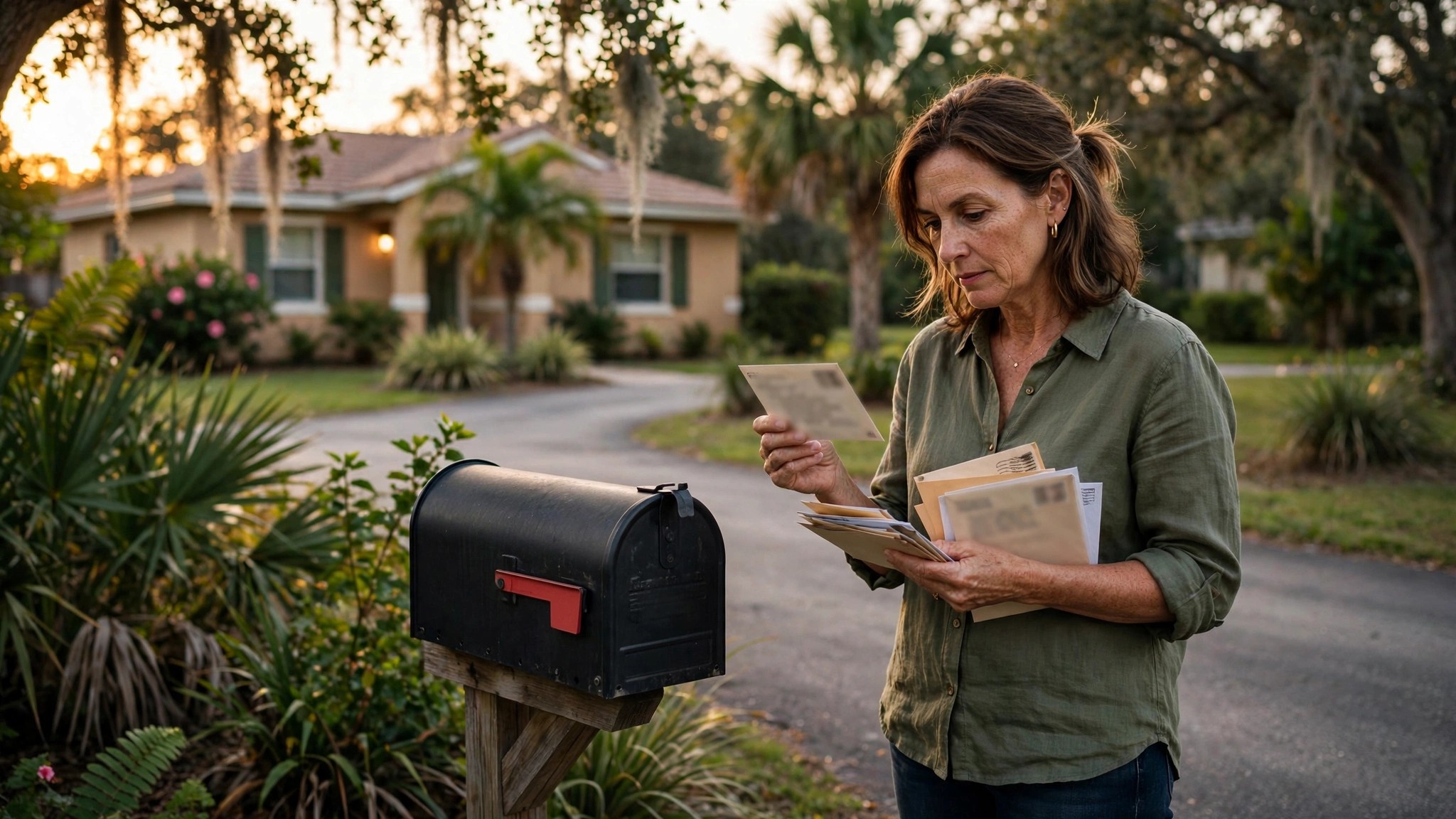

Every family’s situation looks a little different, and that means the questions surrounding surplus funds vary too. This Florida surplus recovery FAQ addresses several situations that come up often but rarely get a clear answer.
Many families assume their situation is somehow too unusual or complicated to qualify. In reality, most of these concerns have straightforward answers once someone actually explains them. Reviewing these common questions can bring real clarity to an uncertain situation.
What Does This Florida Surplus Recovery FAQ Cover?
This Florida surplus recovery FAQ focuses on situations that often make families assume they do not qualify. Bankruptcy, name changes, inheritance, and relocation all come up regularly in real conversations. Reviewing these specific scenarios first can save you time before reaching out directly.
Can I Still Claim If I Filed for Bankruptcy?
Bankruptcy does not automatically eliminate your right to surplus funds from a foreclosure. However, the bankruptcy estate may have an interest in these funds depending on your case’s timing and status. This is one of the most common questions in any Florida surplus recovery FAQ, since assumptions here often prove wrong.
Sometimes a bankruptcy trustee needs to be involved in claiming these funds on behalf of the estate. Therefore, coordinating between these two legal processes matters considerably. Florida licensed attorneys can help clarify how your specific bankruptcy case affects a surplus claim.
Does a Name Change Affect My Claim?
A name change through marriage, divorce, or another legal process does not eliminate your underlying right to surplus funds. However, it can complicate the search and verification process somewhat. Court records typically reflect the name used at the time of the original foreclosure.
Providing documentation connecting your current and former names helps resolve this issue. Specifically, a marriage certificate or court order reflecting a legal name change usually suffices. Therefore, gathering this documentation early can prevent unnecessary delay later in the process.
Do Heirs Qualify to Claim Funds After a Homeowner Passes Away?
Yes, surplus funds can generally pass to heirs when the original homeowner has passed away. This process typically involves probate or a similar legal mechanism depending on the specific circumstances. Consequently, an estate representative or heir may need to establish their legal standing before the court.
Additional documentation beyond a typical individual claim often becomes necessary here. Death certificates, probate records, and proof of heirship commonly apply. For this reason, families in this situation often benefit significantly from legal guidance.
Must I Still Live in Florida to Claim Funds?
No, you do not need to currently reside in Florida to claim surplus funds from a Florida foreclosure. Many families relocate after losing a home, sometimes far outside the state entirely. This common Florida surplus recovery FAQ question comes up often, and relocation does not affect your underlying legal right to any surplus.
However, staying reachable matters considerably regardless of where you now live. Updating your contact information with the relevant court helps ensure you receive important notices. Consequently, this simple step remains valuable no matter your current location.
Is There a Limit to How Much I Can Claim?
Generally, you can claim the full amount of the surplus that legally belongs to you under Florida law. However, competing claims from lienholders or other parties can affect how much ultimately remains available. This Florida surplus recovery FAQ point matters because the practical amount you receive depends on your specific case.
Multiple owners listed on the original deed may also need to share in any recovered surplus. This situation requires clarity about each owner’s respective interest in the property. Consequently, cases with multiple owners sometimes involve additional coordination during the claims process.
Getting Answers Specific to Your Situation
Common questions covered here may not capture something entirely unique to your situation. Florida licensed attorneys can review the specific facts of your case and provide answers tailored to you. This guidance does not guarantee a particular outcome, though it replaces general uncertainty with real clarity.
Furthermore, a free consultation costs nothing and commits you to nothing. For many families, simply asking the question brings real relief, regardless of the eventual answer.
Steps for Getting Your Specific Questions Answered
- Write down every question specific to your situation before reaching out.
- Gather any relevant documentation, such as name changes or probate records.
- Contact our team for a free, no obligation consultation.
- Provide your case details so we can research your specific situation.
- Ask about any concerns unique to your circumstances directly.
- Review the answers provided and decide how you want to proceed.
- Consult a Florida licensed attorney for anything requiring deeper analysis.
Key Takeaways
- Bankruptcy does not automatically eliminate your right to surplus funds.
- A name change does not affect your rights, though it requires documentation.
- Heirs can generally claim surplus funds after a homeowner passes away.
- You do not need to currently live in Florida to pursue a claim.
- Competing claims can affect how much of a surplus you ultimately receive.
- Multiple owners on a deed may need to coordinate their respective claims.
- Florida licensed attorneys can answer questions specific to your unique situation.
Conclusion
This Florida surplus recovery FAQ addresses situations that many families assume disqualify them from recovery. Bankruptcy, name changes, inheritance, and relocation rarely eliminate your underlying rights entirely. Understanding these specific scenarios can replace assumption with real clarity.
If your situation feels unusual or complicated, that does not mean it falls outside what our team can help with. Florida licensed attorneys can review your specific circumstances and answer your questions directly. Above all, you already survived the hardest part, and no question is too small to ask.