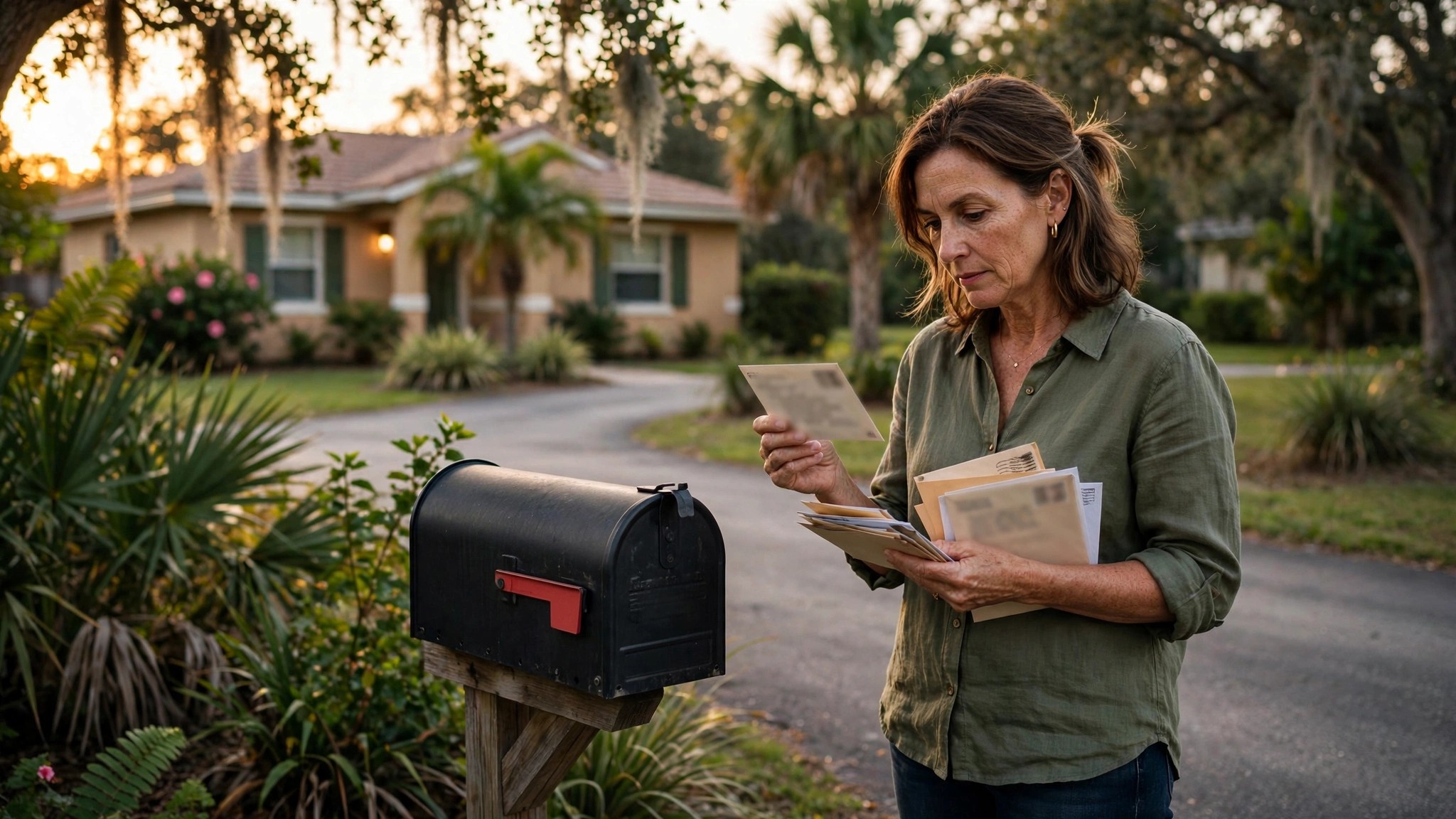

A foreclosure surplus rarely belongs to only one interested party. Florida surplus recovery lienholders often include several distinct creditors, each with a potential claim to the same funds. Understanding who these parties are can help you know what your own case might involve.
Florida law establishes a structured priority system among these competing interests. This structure does not eliminate your rights, though it does affect how much may ultimately remain for you. Learning who Florida surplus recovery lienholders typically are helps set realistic expectations from the outset.
Common Types of Florida Surplus Recovery Lienholders
The first mortgage lender typically represents the most senior lien on most residential properties. Consequently, this creditor generally receives payment before any other party in most cases. Junior mortgage holders, if any exist, generally follow behind this senior position.
Additionally, homeowners associations and condominium associations can hold liens for unpaid assessments. Similarly, judgment creditors who recorded a lien against the property may also assert an interest. Because multiple lien types can exist simultaneously, a single property can involve several competing claimants.
How Lien Priority Generally Works
Priority generally follows the order in which each lien was properly recorded under Florida law. Consequently, an earlier recorded lien typically receives payment before a later recorded one. This principle applies across most types of liens, with some specific statutory exceptions.
Nevertheless, priority determinations can grow complex when multiple liens were recorded close together. Courts review the specific recording dates and applicable statutes to resolve any ambiguity. For this reason, a thorough title history review often proves valuable in contested cases.
Filing a Claim as a Lienholder
Filing a claim from a lienholder generally follows a similar process as one from a former owner. This filing identifies the specific lien, the amount owed, and supporting documentation. Therefore, lienholders must also act within applicable deadlines to preserve their position.
Moreover, a lienholder’s claim must demonstrate that the underlying debt remains valid and enforceable. Because circumstances can change over time, courts review whether a lien remains properly perfected. This review protects the integrity of the overall priority system.
What Happens When Claims Exceed the Surplus
Sometimes the combined claims from multiple lienholders exceed the total surplus available. When this occurs, the court applies established priority principles to determine payment order. Consequently, senior lienholders generally receive full payment before junior lienholders receive anything.
You retain a right to any remaining balance, but this right applies only after valid lienholder claims involving Florida surplus recovery lienholders are satisfied. Therefore, a case involving several competing liens may leave less remaining than initially expected. Understanding this possibility helps set realistic expectations before pursuing a claim.
Why Reviewing Lienholder Records Matters Early
Reviewing the full lien history on your property early in the process reveals who might compete for the same funds. This review helps you understand your realistic position before investing significant time. Therefore, this step often proves valuable regardless of how a case ultimately unfolds.
Identifying every recorded lien also helps avoid surprises later in the process. A lienholder who appears unexpectedly can complicate an otherwise straightforward claim. Consequently, thorough early research generally serves your interests well.
The Value of Legal Guidance With Multiple Lienholders
Cases involving several Florida surplus recovery lienholders often benefit significantly from professional legal analysis. Florida licensed attorneys can review title records and identify every party with a potential interest. This analysis helps clarify your realistic position before proceeding.
Furthermore, attorneys can represent your interests when priority disputes require court resolution. This support does not guarantee a specific outcome, though it helps ensure your claim receives proper consideration. For many families, this guidance proves genuinely valuable given the added complexity involved.
Steps for Addressing Multiple Lienholder Claims
- Obtain a full title history for the property before foreclosure.
- Identify every lien recorded against the property and its date.
- Determine the priority order among all identified lienholders.
- Confirm the final sale price and total surplus generated.
- Compare that surplus against the combined total of valid claims.
- Gather documentation supporting your own position as a claimant.
- Consult a Florida licensed attorney given the potential complexity.
Key Takeaways
- Florida surplus recovery lienholders often include mortgage lenders, associations, and judgment creditors.
- Lien priority generally follows the order in which each lien was recorded.
- Lienholders must also file a formal claim within applicable deadlines.
- Combined claims exceeding the surplus follow established priority payment order.
- Your right as a former owner applies only after valid lienholder claims are satisfied.
- Reviewing the full lien history early helps set realistic expectations.
- Florida licensed attorneys can help navigate cases involving multiple lienholders.
Conclusion
Florida surplus recovery lienholders represent one of the most important factors shaping any surplus case. Understanding who these parties are and how priority works helps you approach your situation realistically. This knowledge often proves as valuable as understanding the underlying process itself.
If you feel uncertain about your own case, review the full lien history before proceeding. Florida licensed attorneys can help identify every party with a potential competing interest. Above all, you already survived the hardest part, and understanding these dynamics remains essential to any well informed claim.