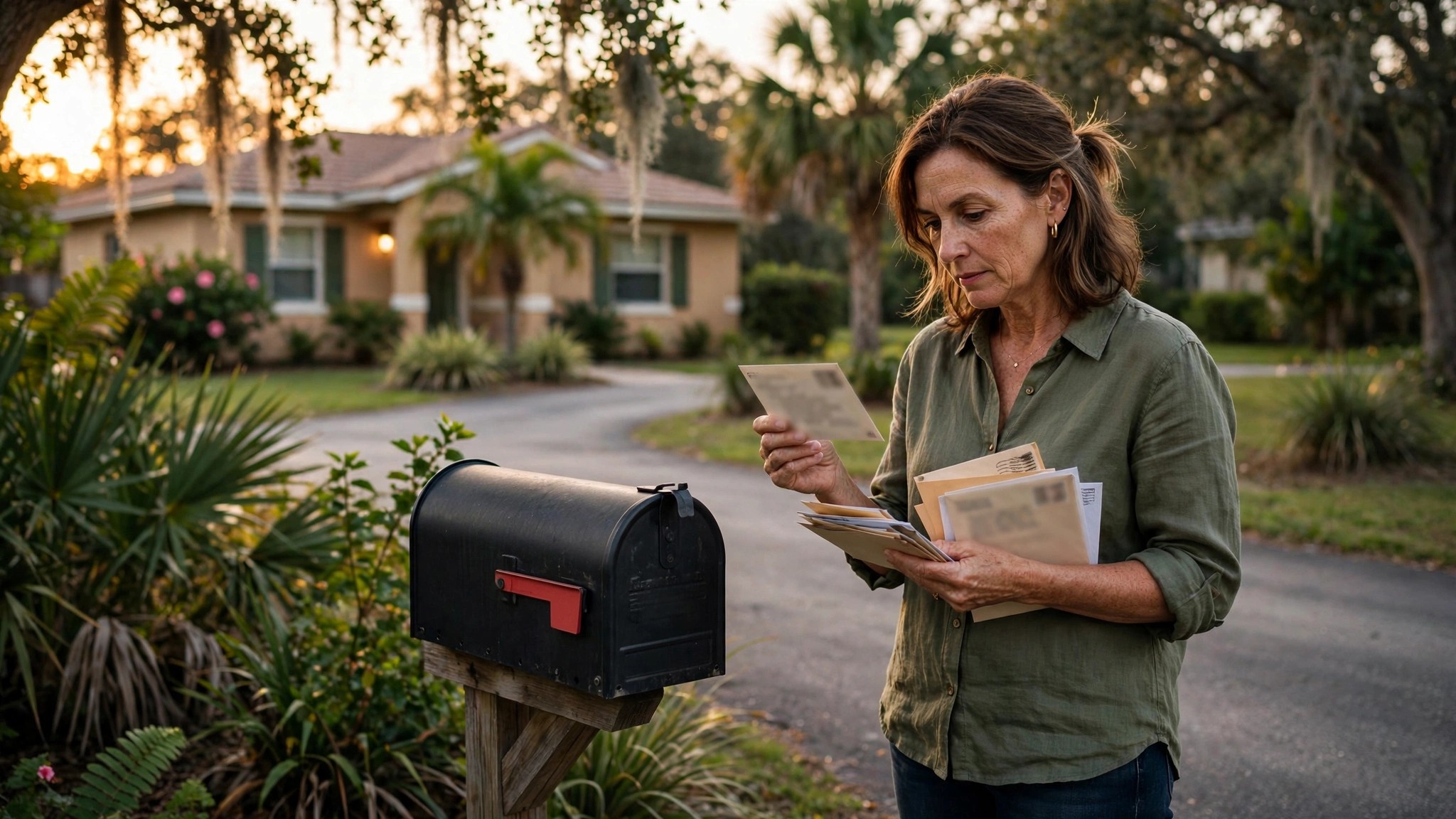

Losing a home to foreclosure feels like the end of a story that should never have started. The Florida surplus recovery process offers something few families expect afterward, a real chance that money still belongs to them. Understanding how this process works can turn confusion into a clear next step.
A foreclosure sale does not always mark the final loss. When a property sells for more than the debt owed, that difference becomes a surplus under Florida law. Consequently, learning how the Florida surplus recovery process unfolds matters for any family who recently lost a home.
How the Florida Surplus Recovery Process Begins
Everything starts at the auction itself. When a property sells for more than what was owed, the clerk of court holds that extra amount rather than releasing it to the lender. Therefore, the surplus stays protected within the court system from the very beginning.
The lender receives only what it is actually owed. Therefore, any remaining balance waits in the court registry. This structure exists specifically so a family does not lose more than the debt itself required.
Filing a Claim to Start Recovery
Filing a formal claim is generally required to access these funds. This filing identifies the former homeowner and explains their right to the money. Because accuracy matters here, a carefully prepared claim moves through the system more smoothly.
Supporting documents often accompany this filing, including proof of prior ownership. Consequently, gathering these records early can prevent unnecessary delay later. For many families, this step feels like the first real progress since the foreclosure sale.
Competing Claims and How They Affect Recovery
Sometimes more than one party has an interest in the same surplus. A junior lienholder, for instance, may also file a claim against the funds. Therefore, the court reviews every claim before releasing any money.
This review protects everyone with a legitimate interest in the case. Nevertheless, a former homeowner generally retains a strong right to whatever remains once other valid claims are satisfied. Understanding this priority helps set realistic expectations from the start.
Why Timing Matters Throughout This Process
Florida law includes deadlines at several stages of the surplus recovery process. Missing a deadline does not always end a family’s options, though it can make recovery more complicated. For this reason, acting promptly after a foreclosure sale generally serves a family well.
Funds that go unclaimed for too long can eventually transfer to the state. Even then, recovery often remains possible through a different path. Nevertheless, addressing a potential claim early remains the simpler route.
What Happens Once a Claim Is Approved
Once the court approves a claim, the clerk releases the funds to the rightful recipient. Consequently, this final step can bring real relief after months or years of uncertainty. Many families describe this moment as the first sign of stability since the foreclosure occurred.
Timelines vary from case to case. Some claims resolve quickly, while others take longer due to competing interests or incomplete records. Patience throughout this stage often pays off in the end.
Getting Guidance Along the Way
Navigating the Florida surplus recovery process involves real legal steps that can feel unfamiliar during an already difficult time. Florida licensed attorneys can review your specific case and help identify where things currently stand. This support does not guarantee a particular outcome, though it can bring clarity to an uncertain situation.
Moreover, having someone explain each step in plain language often eases the emotional weight of the process. For many families, that reassurance matters just as much as the legal work itself.
Steps for Starting the Florida Surplus Recovery Process
- Locate the case number and sale date from your original foreclosure.
- Confirm the final auction price compared to the total debt owed.
- Check the county clerk’s registry for any surplus funds notice.
- Gather documentation proving your prior ownership of the property.
- File the required claim with the clerk of court promptly.
- Respond to any requests for additional information from the court.
- Consult a Florida licensed attorney if your case feels complicated.
Key Takeaways
- The Florida surplus recovery process begins the moment a sale exceeds the debt owed.
- The clerk of court holds surplus funds safely until a valid claim resolves the matter.
- Competing claims from other parties may affect how much ultimately remains.
- Deadlines apply at several stages, so acting promptly generally helps your case.
- Unclaimed funds can transfer to the state, though recovery often remains possible.
- Approved claims lead to fund disbursement, sometimes quickly and sometimes with delay.
- Florida licensed attorneys can help guide you through an unfamiliar process.
Conclusion
The Florida surplus recovery process exists to make sure a foreclosure does not take more than what was truly owed. Understanding each stage helps a family move from uncertainty toward informed action. This knowledge alone can feel like the first real step forward.
If your home recently sold at auction, checking for a surplus costs you nothing but time. Florida licensed attorneys can help you understand exactly where your case stands. Above all, you already survived the hardest part, and this process exists to help you move forward from here.